Node 1
Main personal stack
One Raspberry hosts my own daily services and personal websites. It is the machine I use to keep things simple, reliable, and easy to recover.
Personal services
Reverse proxy
Backups
Raspberry Pis
The homelab is where I keep practicing the parts of systems work that matter in real life: networking, storage, access control, monitoring, and recovery.
In case you haven't seen one: a Raspberry Pi is a full Linux computer the size of a deck of cards. I run three of them, a Raspberry Pi 4 Model B each.
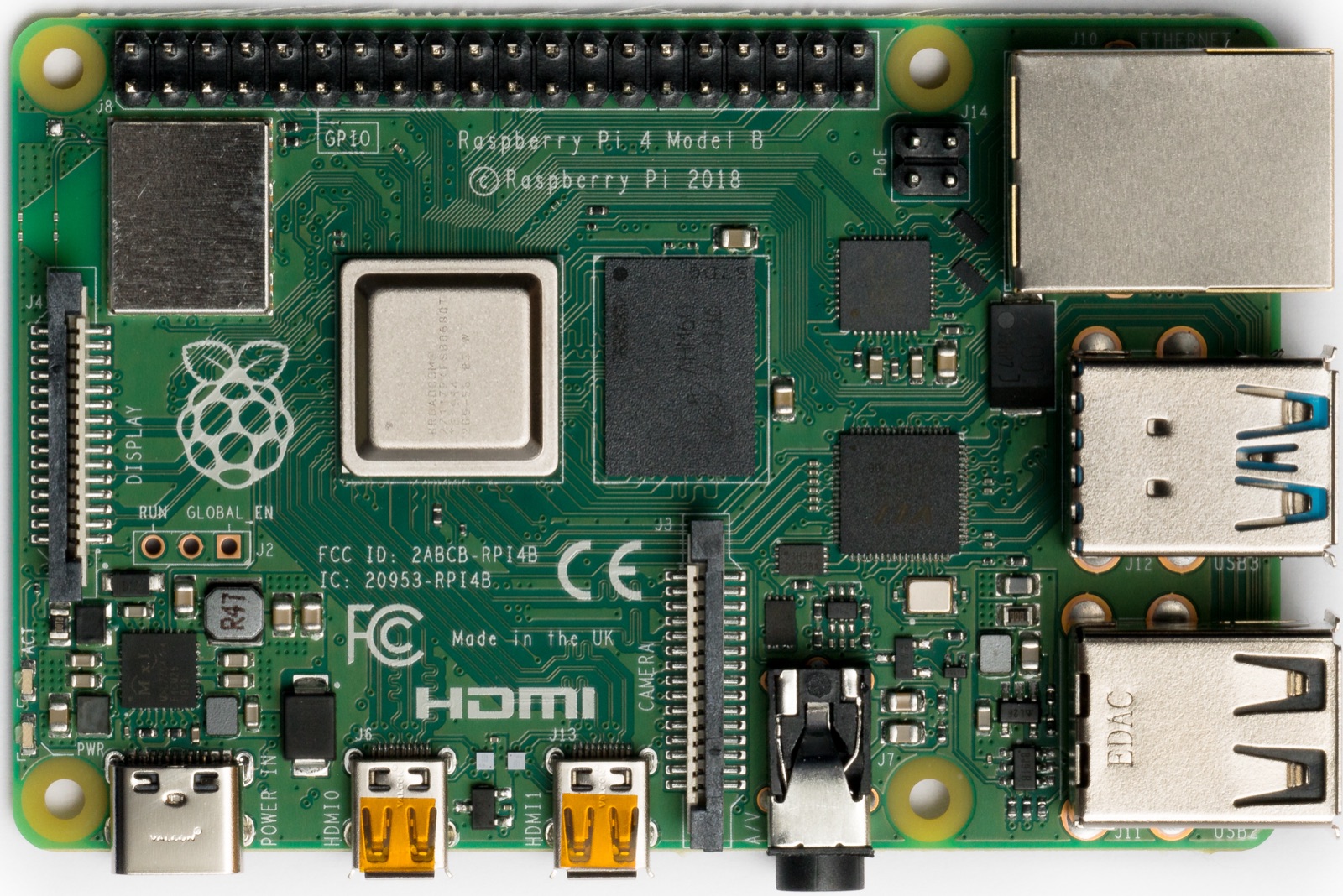
Photo: Laserlicht, Wikimedia Commons (CC BY-SA 4.0)
Node 1
One Raspberry hosts my own daily services and personal websites. It is the machine I use to keep things simple, reliable, and easy to recover.
Node 2
Another Raspberry runs the main Libriciclo stack. The rest of that part of the setup hosts a few friend websites and small public projects.
Node 3
The third one is mostly for observability. Grafana and Prometheus live there, along with the storage and networking experiments I like trying before I trust them.
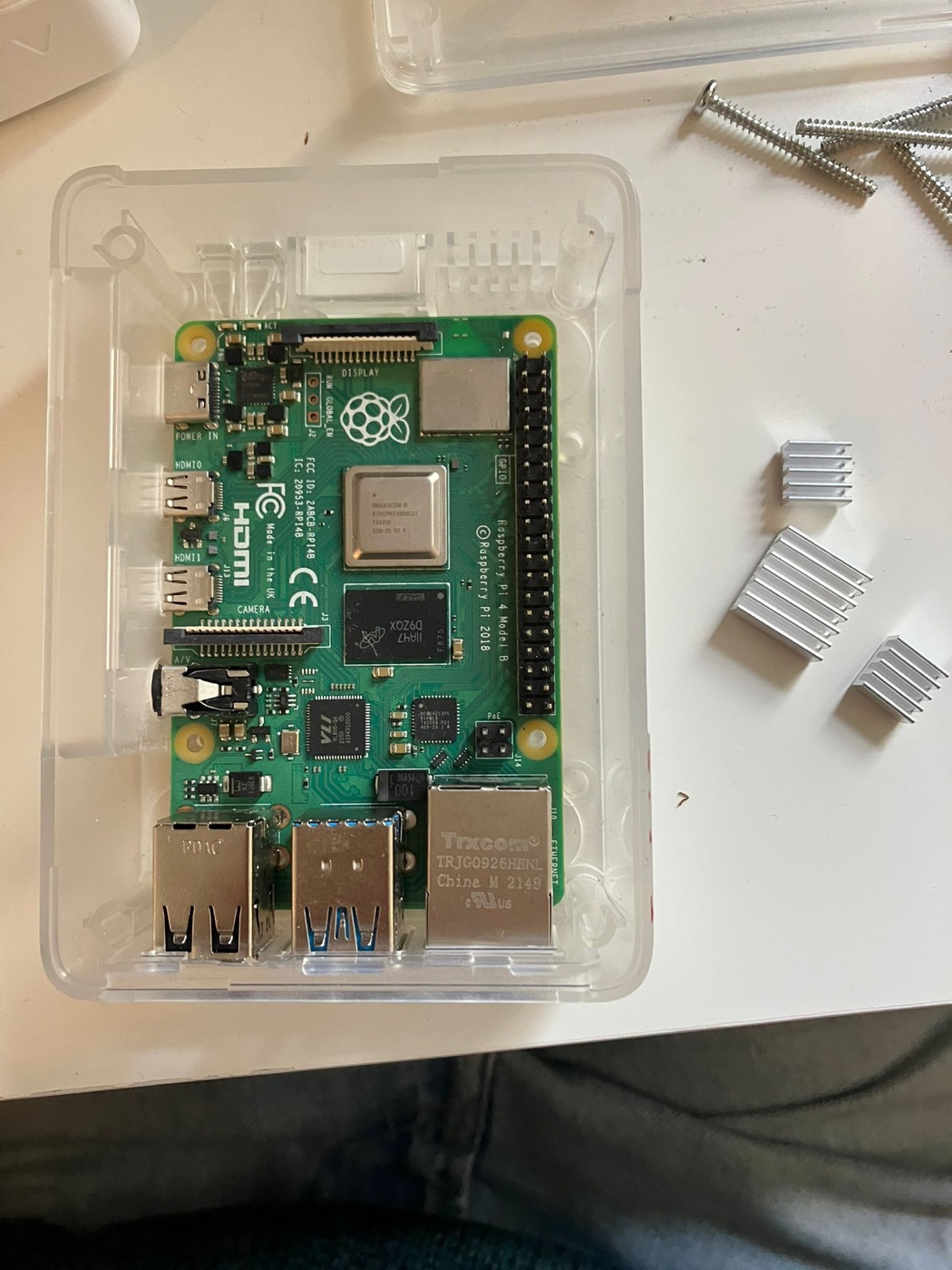
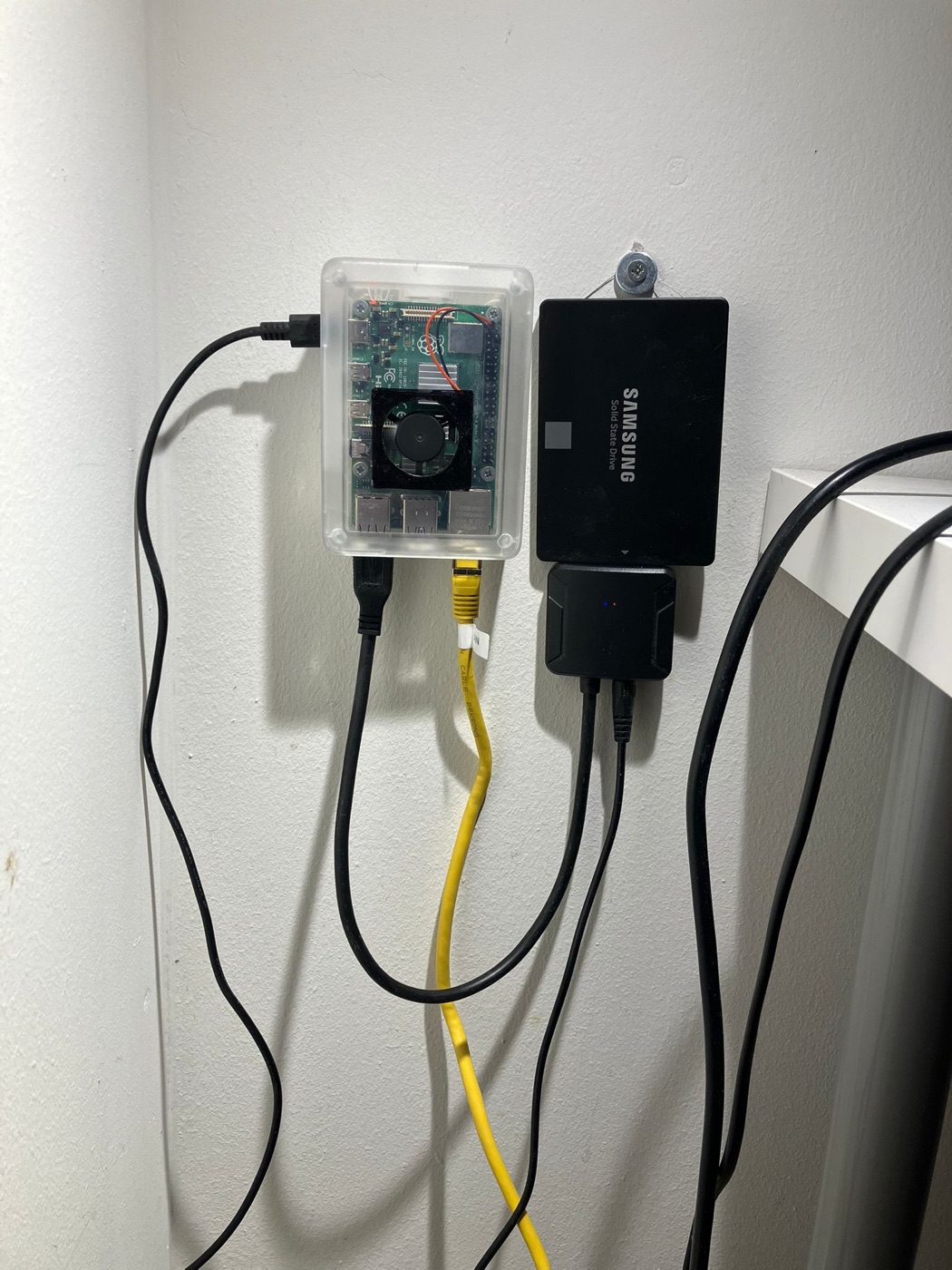
The real thing
What I like
The point of the setup is not complexity. It is learning how to make small systems comfortable to run: private access, sensible networking, and enough monitoring to notice issues early.